Schedule Your Home Inspection Local & Certified

Why Wind Lifts Roof Shingles in Colorado
Colorado winds can lift roof shingles near ridges and edges. Learn why it happens, when it’s repairable, and why inspections matter in Denver and the foothills.
Felix Peuckert
2/20/20262 min read
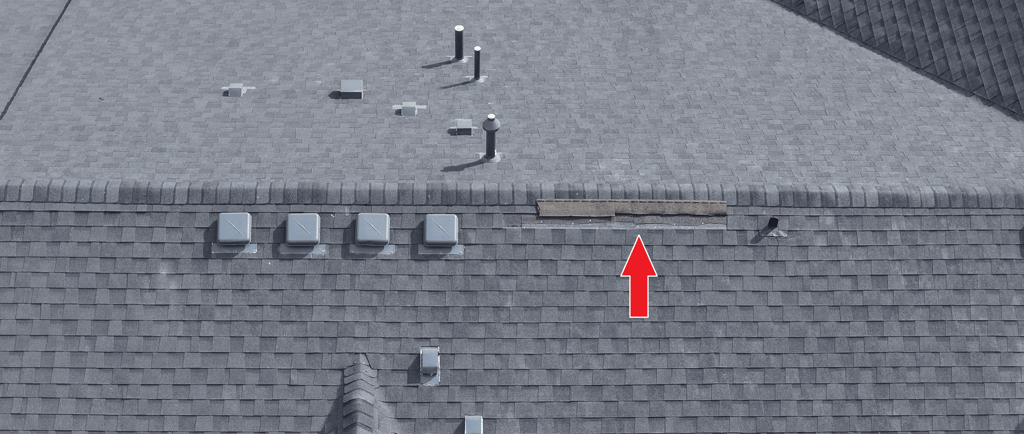
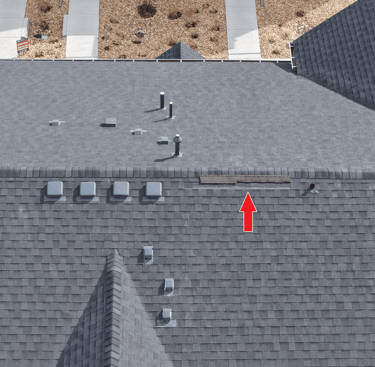
High winds are a normal part of life along Colorado’s Front Range. From Arvada and Golden to Lakewood, Littleton, Evergreen, and the foothills communities, wind-related roof damage is one of the most common issues I see during home inspections.
How Wind Causes Shingles to Lift
As wind flows over a roof, it creates negative pressure (uplift). This uplift force is strongest:
Near roof edges
Along ridgelines
On slopes facing the prevailing wind direction
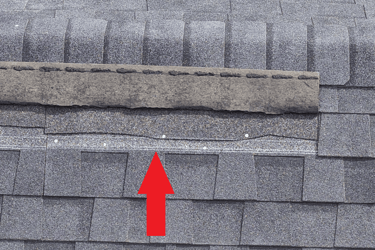
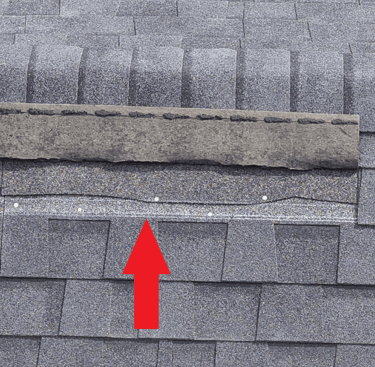
Asphalt shingles rely on a factory-applied adhesive strip to seal each shingle to the one below it. Over time — or before full heat activation occurs — that seal can weaken or break. Once the adhesive bond fails, shingles may begin to lift during wind events.
Why It’s Common in Colorado
Homes throughout the Denver metro area and foothill communities experience:
Chinook winds
Rapid pressure changes
Strong gusts funneled along ridgelines
Open exposure on west- or north-facing slopes
Roofs that face into dominant wind directions are particularly vulnerable — especially near the upper third of the roof slope close to the ridge. Newer roofs can also be susceptible if strong winds occur before shingles have fully heat-sealed.
Is It Repairable?
Often, yes — if addressed early.
If the shingle tabs have lifted but are not creased or torn, a qualified roofing contractor can typically reseal or secure them. However, once shingles crease, crack, or lose structural integrity, replacement is usually necessary.
Catching this early can prevent:
Shingle blow-offs
Water intrusion
Decking damage
Larger insurance claims
Why Regular Roof Inspections Matter in the Front Range
Many homeowners don’t realize wind damage is developing because lifted shingles often settle back down and aren’t visible from the ground.
During a professional home inspection, I evaluate:
Shingle adhesion
Ridge and edge conditions
Evidence of wind uplift
Early failure patterns
For homeowners in Golden, Arvada, Lakewood, Westminster, Thornton, Littleton, Morrison, Evergreen, Conifer, and surrounding foothill communities, wind exposure should always be part of the conversation.
If you’re unsure whether your roof experienced wind-related lifting, a visual inspection can help determine whether simple maintenance is enough — or if further repair is recommended.
© 2026. All rights reserved.








Based in Golden, Colorado, I serve the Front Range, foothills, and mountain communities — from Arvada and Lakewood south to Littleton and Castle Rock, out to Nederland, Evergreen, and Blackhawk, and along the 285, 24, and Highway 9 corridors through Leadville, Buena Vista, Breckenridge, Frisco, and beyond.
